

A family walks out of your center after a 30-minute tour. They loved the art room, the toddler teacher made their daughter laugh, and they said “we’ll be in touch.” Then nothing happens. A week later, they enroll somewhere across town.
This happens to good programs all the time, and it rarely comes down to quality of care. It comes down to what happens in the days after the visit. Knowing what to do after a childcare tour to increase enrollment is often the difference between a full classroom and a waitlist that never converts.
The good news is that the fix isn’t complicated. You don’t need a marketing department or a huge budget. You need a short, consistent follow-up system that makes parents feel remembered, answers the questions they were too overwhelmed to ask, and makes saying “yes” easy.
The Critical Impact of Post-Tour Engagement on Enrollment
Most directors treat the tour as the main event and the follow-up as an afterthought. That’s backwards. The tour opens the door, but the decision almost always happens later: at the kitchen table, in the car, or at 11 p.m. when a parent is comparing three centers on their phone.
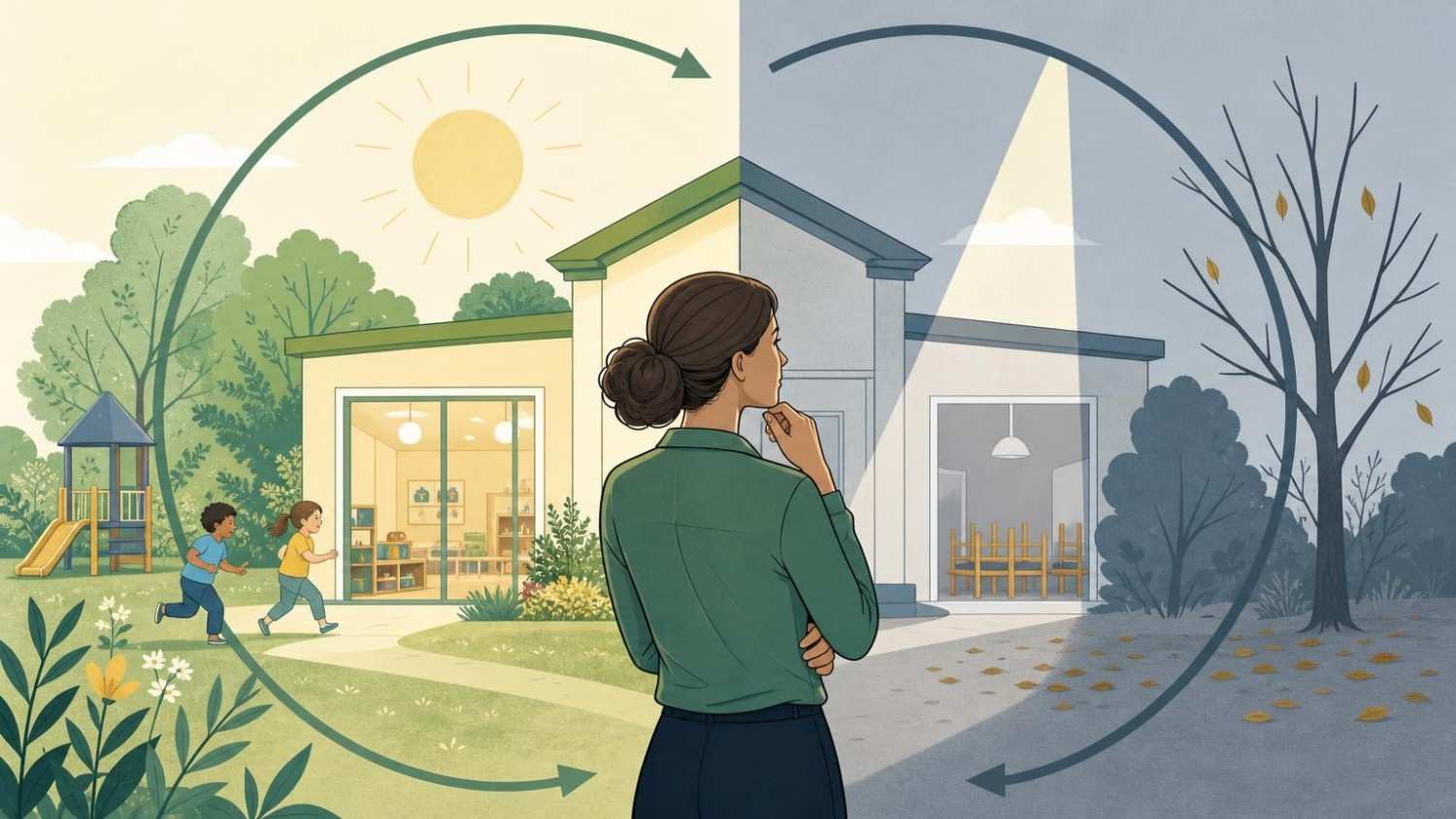
Here’s what’s actually happening in a parent’s head after they leave. They toured your center on Tuesday, another on Wednesday, and a third on Saturday. By Sunday, the details blur together. Was the center with the garden the one with the shorter waitlist? Which one had the teacher who’d been there twelve years? The program that stays present in their mind during this comparison window has a real advantage, even if it wasn’t their top pick when they walked out.
Think of post-tour engagement like compound interest. A single thank-you email is a small deposit. A thoughtful note, a follow-up answering a specific question, a photo of the classroom project their child would join, and a gentle check-in a week later add up to something much larger than any single touchpoint.
One common mistake is assuming that parents who don’t respond aren’t interested. Silence usually means busy, not “no.” A parent juggling a full-time job, a newborn, and a return-to-work date has very little bandwidth. Your follow-up should do the work for them, not wait for them to come back to you.
The Immediate Follow-Up: Timing and Personalization
The first 24 hours matter most. Reach out the same day if possible, ideally within a few hours of the tour, while the visit is still fresh for both of you. A next-day message is fine. A message five days later feels like an afterthought, and by then the family may already be filling out paperwork elsewhere.
Personalization is what separates a follow-up that gets read from one that gets archived. Parents can spot a template instantly. If your email says “Thank you for visiting our center” and nothing else, it signals that they were one of many, which is exactly the feeling you want to avoid.
The simplest way to personalize is to take notes during or right after every tour. Keep a short record for each family: the child’s name and age, any siblings, the parent’s start date, what they asked about, and what made them light up. Five minutes of note-taking makes every later touchpoint feel human.
Schedule a FREE 30 minutes Session with Us!
Crafting the Perfect Personalized Thank You Note
A strong thank-you note is short, specific, and points toward a next step. Aim for four to six sentences. Here’s a structure that works:
- Use the child’s name in the first line, not just the parent’s.
- Reference one specific moment from the tour, like “Maya seemed to love the water table in our preschool room.”
- Mention the teacher they met by name so the family can picture a real person.
- Offer a clear next step, such as a link to the enrollment packet or an invitation to a stay-and-play hour.
- Sign it personally, with a direct phone number rather than the general front desk line.
Consider sending a handwritten card in addition to the email. It costs under a dollar with postage and arrives two or three days later, which conveniently extends your presence into the decision window. Parents tend to put those cards on the fridge.
Addressing Specific Parental Concerns Raised During the Tour
Every tour surfaces at least one worry, even if the parent only mentions it in passing. A father asks about nap transitions. A mother hesitates when you mention the 6 p.m. pickup cutoff. Someone asks how you handle biting. These aren’t small talk: they’re objections, and unanswered objections quietly kill enrollments.
Your follow-up should address the concern directly. If a parent asked about allergies, send a short summary of your allergy protocol and mention that your kitchen staff can meet with them. If they seemed worried about separation anxiety, describe how your teachers handle the first two weeks, with a concrete example of a gradual-entry schedule.
This isn’t random reassurance. You’re showing the parent that you listened, which is often the exact quality they’re hoping to find in a caregiver.
Leveraging Digital Marketing and Automation Tools
Personal touches matter, but no director can manually track 25 tour families a month and remember to write each one on day 3, day 7, and day 14. That’s where simple tools help. Most childcare management platforms now include basic CRM features, and even a well-organized spreadsheet with reminders beats relying on memory.
The goal of automation isn’t to replace the human element. It’s to protect it. When the routine reminders run on their own, you have more time for the calls and notes that actually require you.
Implementing an Automated Email Drip Campaign
A drip campaign is a short sequence of pre-written emails sent on a schedule after the tour. Keep it lean. Three to five emails over three weeks is plenty, and more than that starts to feel like spam. A practical sequence might look like this:
- Day 2: A “meet the team” email with short bios and photos of the teachers in their child’s age group.
- Day 5: A “day in the life” email walking through a typical schedule, from morning drop-off to afternoon pickup.
- Day 10: A parent story or testimonial addressing a common worry, like first-week tears.
- Day 17: A practical email covering enrollment steps, open spots, and how to hold a place.
Stop the sequence immediately once a family enrolls or tells you they’ve chosen elsewhere. Few things damage goodwill faster than a “Still thinking about us?” email sent to a parent who signed up last week.
Using Social Proof and Testimonials to Build Trust
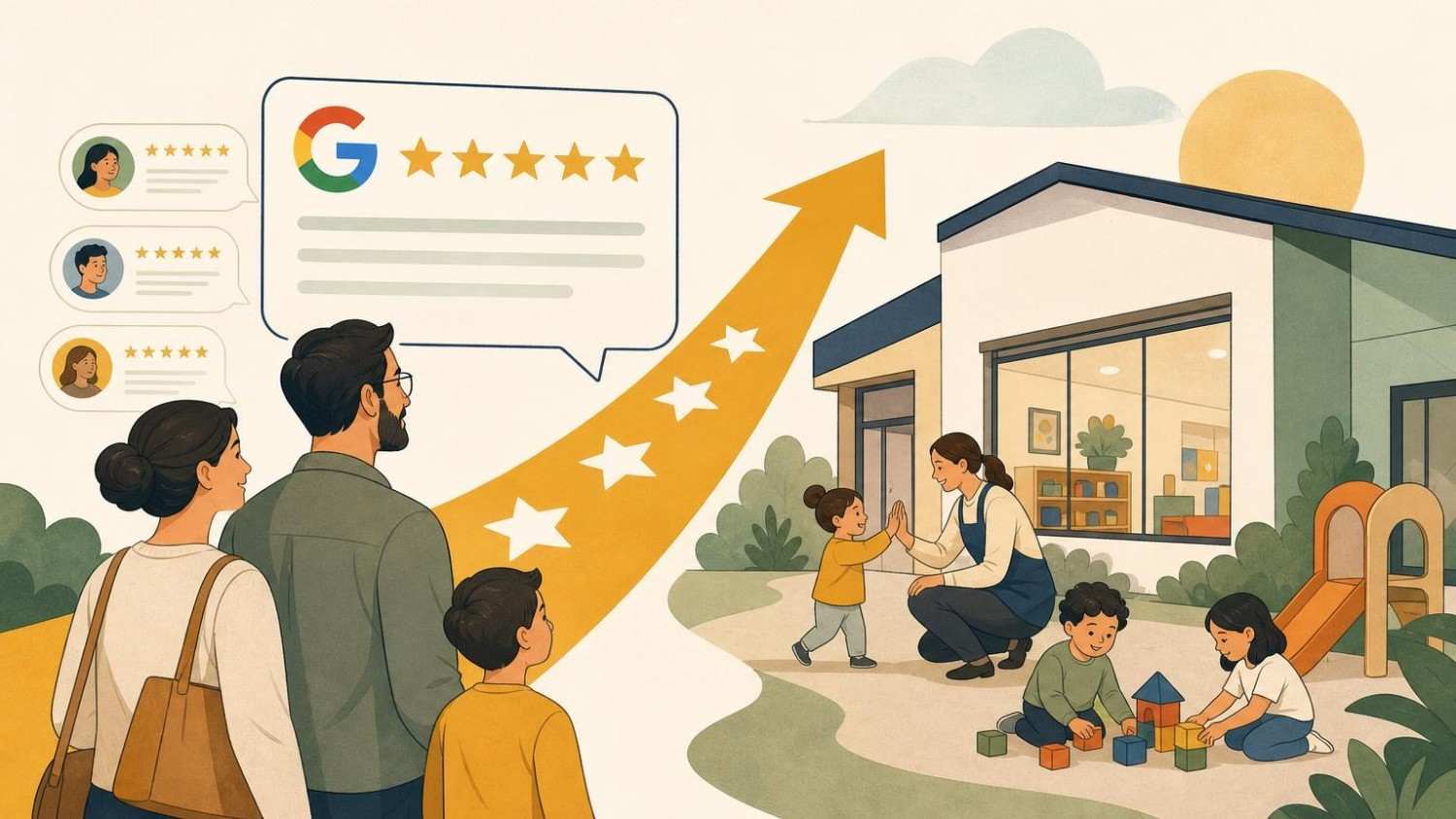
Parents trust other parents more than they trust you. That’s not an insult; it’s just how trust works when someone is handing over their child. A short quote from a parent whose son was nervous about starting and now runs into the classroom each morning carries more weight than any paragraph you write about your nurturing environment.
Collect testimonials deliberately. Ask current families at natural high points, like after a successful transition or at the end of the school year. Match testimonials to concerns: a family worried about a picky eater should hear from a parent who had the same worry. Short video clips filmed on a phone often outperform polished testimonials because they feel real.
Nurturing the Lead: Long-Term Follow-Up Strategies
Not every family is ready to decide in two weeks. Many tour months in advance: expecting parents planning for a spring return to work, or families looking ahead to a preschool transition in the fall. These are long-term leads, and they need a different rhythm.
For these families, shift from frequent emails to a monthly touchpoint. A short newsletter with classroom highlights, a seasonal event invitation, or a quick note when a spot opens in their child’s age group keeps you on their radar without crowding their inbox. Think of it as preventative maintenance rather than a rescue mission. Steady, low-pressure contact over four months is far more effective than a frantic push one week before their start date.
Invitations to in-person events work especially well. A fall harvest festival, a summer splash day, or a “family Friday” open playroom gives prospective families a low-stakes way to come back. A parent who watches her toddler happily stacking blocks next to your current students on a Saturday morning is seeing something no email can show.
Set a calendar reminder to call long-term leads 60 days and 30 days before their stated start date. A phone call at that point feels helpful, not pushy, because you’re reaching out exactly when they’re making final arrangements.
Schedule a FREE 30 minutes Session with Us!
Removing Friction in the Registration and Enrollment Process
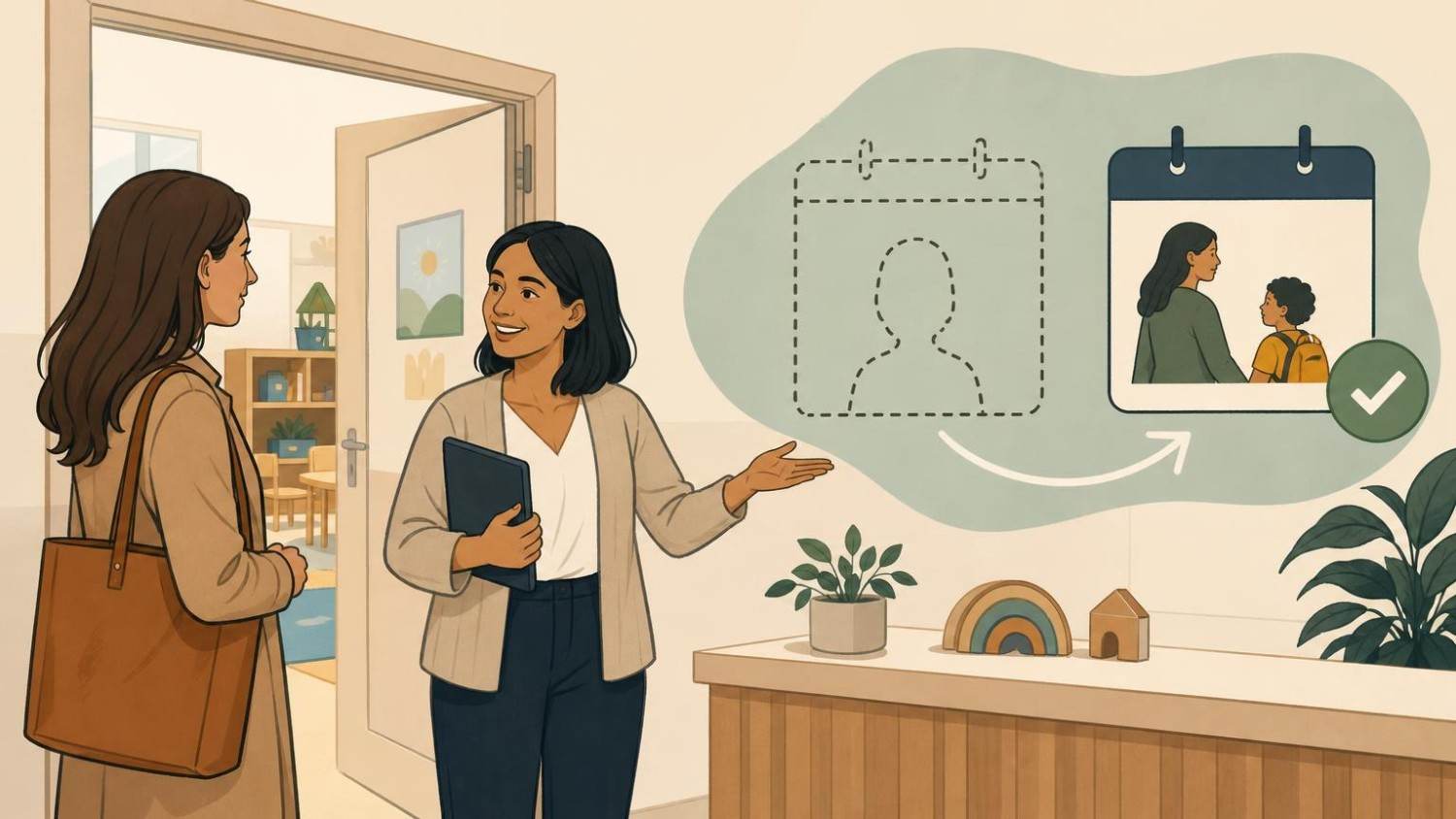
You can do everything right in your follow-up and still lose families at the finish line. The culprit is usually friction: a 14-page packet, a required in-person visit to drop off forms, or a deposit that can only be paid by check. Every extra step is a moment where an exhausted parent puts the task off until “later,” and later sometimes never arrives.
Walk through your own enrollment process as if you were a new parent. Time how long it takes. Notice every point where you’d need to print, scan, find a stamp, or call during business hours. Those are your leaks.
One common misconception is that a demanding process signals a serious, high-quality program. It doesn’t. Parents judge quality by your classrooms and staff, not by how difficult your paperwork is.
Simplifying Digital Paperwork and Payment Systems
Move as much as possible online. Parents should be able to complete forms on a phone during a lunch break or while their baby naps. Look for these features in your enrollment software or forms:
- Mobile-friendly forms that save progress so parents can finish later.
- E-signatures for policies and agreements, eliminating print-and-scan steps.
- Online deposits and tuition payments by card or bank transfer.
- Pre-filled information from the tour inquiry, so parents don’t retype their names and child’s birthdate.
- A clear checklist showing what’s done and what’s still needed, like immunization records.
Then trim the forms themselves. If you’re asking for information you never use, cut it. A shorter packet gets finished faster.
Creating Value-Added Incentives to Close the Deal
Incentives can nudge a family who is already leaning toward you, but they work best when they add genuine value rather than feeling like a pressure tactic. “Enroll by Friday or lose this deal” sounds like a car dealership. “Families who enroll this month get a free week of gradual-entry days” sounds like a center that understands the first weeks are hard.
Some incentives that tend to land well with parents:
- Waived registration fees for families who enroll within 14 days of touring.
- A phased start with shortened days at no extra cost to ease the transition.
- Sibling discounts for families with more than one child.
- A welcome kit with a labeled cubby tag, a family photo frame for the classroom, and a first-week guide.
- Priority placement for siblings or for a future age group transition.
Keep your offer simple. One clear incentive beats a menu of five that parents have to compare. And be honest about deadlines: if spots in the infant room are genuinely limited, say so plainly, with real numbers. “We have two infant openings for March” is persuasive because it’s true.
Analyzing Conversion Data to Refine Your Tour Experience
If you’re not measuring results, you’re guessing. Tracking a few core numbers each month tells you where families are dropping off and which of these post-tour tips are actually working for your program. You don’t need a dashboard with 30 metrics. Four or five, reviewed consistently, will tell you most of what you need to know.
Start with these:
- Tour-to-enrollment rate: The percentage of toured families who enroll within 60 days. Track it monthly and by age group.
- Time to enrollment: Average days between the tour and the signed agreement. If this is creeping up, your follow-up may be slowing.
- Follow-up response rate: How many families reply to your first message. Low replies often signal a generic note.
- Packet completion rate: Families who start enrollment forms versus those who finish. A big gap points to friction.
- Lost-lead reasons: A short note on why each family chose elsewhere, like price, location, or hours.
That last one is the most underused. When a family declines, send a brief, friendly message asking what tipped their decision. Many will answer honestly. If three families in a quarter mention your pickup time, that’s not a coincidence: it’s a pattern worth addressing.
Review your numbers with your team every month. Share what’s working, like a teacher whose tours convert at a noticeably higher rate, and figure out why. Small adjustments, such as ending each tour in your most engaging classroom or giving parents a printed one-page summary, can move your conversion rate more than any ad campaign.
Turning Tours Into Enrollments
The families who tour your center have already done the hard part: they found you, scheduled a visit, and showed up. Your job afterward is to stay present, answer the worries they carry home, and make the final step easy.
Send a personal note within a day. Address the concern they mentioned. Let a simple email sequence carry the routine reminders, and let real parents tell your story. Keep long-term leads warm, strip unnecessary steps out of your paperwork, offer one meaningful incentive, and watch your numbers closely enough to know what’s working.
None of these steps is dramatic on its own. Done consistently, though, they add up to a program that parents remember, trust, and ultimately choose. The tour shows families what your care looks like. The follow-up shows them what it feels like to be cared for by you.
Share