

In today’s fast-paced world, effective communication is critical for the success of any organization, including childcare centers. As these institutions strive to provide the best care and education for children, the need for streamlined communication becomes increasingly apparent. Centralized communication systems, particularly Customer Relationship Management (CRM) software, have emerged as powerful tools that can transform conversations within childcare settings. This article explores how CRM systems enhance communication, improve relationships, and ultimately foster a better environment for children, parents, and staff alike.
Understanding CRM in Childcare Centers
Customer Relationship Management (CRM) systems are designed to manage a company’s interactions with current and potential customers. In the context of childcare centers, this means not only managing relationships with parents but also facilitating communication among staff members and with external stakeholders. By utilizing a CRM, childcare centers can create a more cohesive environment that promotes transparency and trust, which are essential in building long-lasting relationships with families.
What is CRM?
CRM is a technology that helps organizations streamline processes, improve customer service, and enhance profitability. In childcare centers, CRM systems can manage everything from enrollment processes to daily communications with parents. By centralizing all communication channels, these systems allow for a more organized approach to managing relationships. Additionally, CRM tools can integrate with other software used by childcare centers, such as billing systems and learning management platforms, creating a seamless experience for both staff and families.
The Role of CRM in Childcare
In childcare centers, CRM systems play a vital role in ensuring that communication is consistent and effective. They can help track interactions with parents, manage schedules, and even facilitate reminders for important events. This centralized approach allows staff to access crucial information quickly, ensuring that everyone is on the same page. Furthermore, CRMs can provide analytics and reporting features that help center directors understand trends in enrollment, parent satisfaction, and overall operational efficiency, allowing for data-driven decision-making.
Schedule a FREE 30 minutes Session with Us!
Benefits of Implementing CRM
Implementing a CRM system in a childcare center offers numerous benefits. From improved communication to enhanced parental engagement, the advantages are significant. Childcare providers can send updates, share developmental milestones, and address concerns in real-time, fostering a stronger connection with families. Moreover, CRMs can automate routine tasks such as sending out newsletters or reminders about upcoming events, freeing up staff time to focus on providing quality care and education to the children. This not only enhances the overall experience for families but also contributes to a more efficient and effective operation within the center.
Additionally, CRM systems can help childcare centers manage their marketing efforts more effectively. By segmenting parent contacts based on various criteria, such as age groups or specific interests, centers can tailor their communications and promotional efforts to better meet the needs of their community. This targeted approach can lead to higher enrollment rates and increased satisfaction among current families, as they feel more connected to the center’s mission and activities. Ultimately, a well-implemented CRM system can transform the way childcare centers operate, making them more responsive and attuned to the needs of the families they serve.
Enhancing Parent-Staff Communication
One of the most significant challenges in childcare centers is maintaining open lines of communication between parents and staff. A centralized CRM system can bridge this gap effectively.
Real-Time Updates
With a CRM system, parents can receive real-time updates about their child’s activities, meals, and any incidents that may occur throughout the day. This transparency not only reassures parents but also encourages them to engage more actively in their child’s development. Notifications can be sent via email or app, ensuring that parents are always in the loop.
Streamlined Communication Channels
Centralized communication allows for streamlined channels where parents can easily reach out to staff members. Whether it’s through messaging features within the CRM or scheduled phone calls, parents can communicate their concerns or feedback without feeling like they are adding to the staff’s workload. This accessibility fosters a more collaborative environment.
Feedback Mechanisms
CRM systems can also facilitate feedback mechanisms, allowing parents to share their thoughts on the center’s operations or their child’s experience. This feedback can be invaluable for childcare centers aiming to improve their services. By actively seeking and addressing parent feedback, centers can create a more responsive and nurturing environment.
Improving Staff Collaboration
Effective communication among staff members is crucial for the smooth operation of childcare centers. CRM systems provide tools that enhance collaboration and ensure everyone is informed and engaged.

Shared Information and Resources
With a centralized CRM system, staff members can access shared information and resources easily. This includes lesson plans, schedules, and notes about individual children. By having all relevant information in one place, staff can work together more effectively, ensuring that every child receives consistent care and attention.
Task Management
CRM systems often include task management features that allow staff to assign and track responsibilities. This ensures that everyone knows their roles and can manage their time efficiently. For example, if a staff member needs to prepare for an upcoming event, they can assign tasks to others, making the process more collaborative and less overwhelming.
Professional Development
Many CRM systems also offer resources for professional development, such as training modules or access to educational materials. By encouraging staff to engage in continuous learning, childcare centers can improve the quality of care provided to children. A well-informed staff is better equipped to handle various situations and provide a nurturing environment.
Schedule a FREE 30 minutes Session with Us!
Fostering Community Engagement
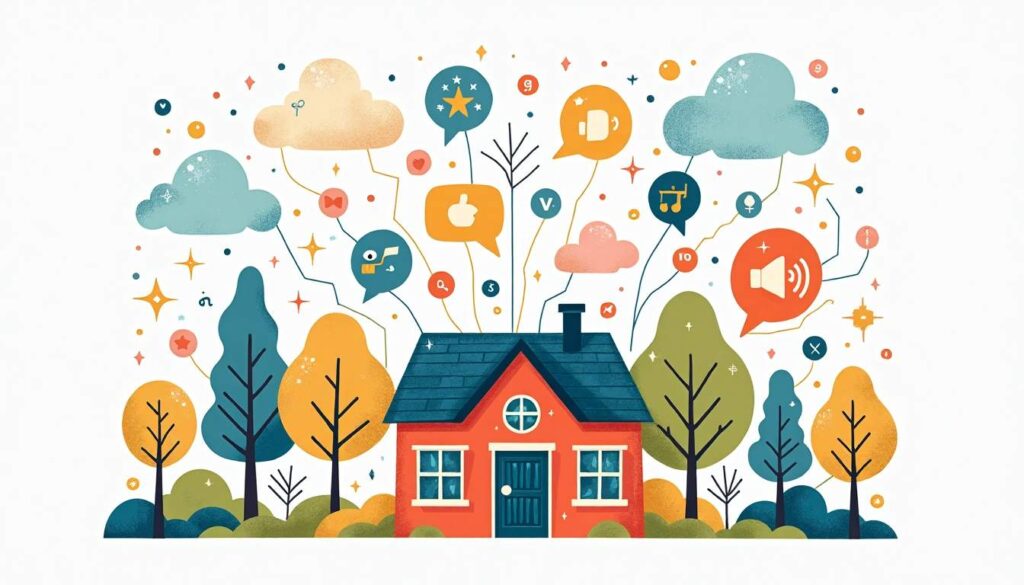
Childcare centers are often at the heart of their communities. A CRM system can help strengthen these connections, fostering a sense of community among parents, staff, and local organizations.
Event Coordination
CRM systems can simplify the process of coordinating events, such as parent-teacher meetings or community gatherings. Staff can easily send out invitations, track RSVPs, and communicate details to all involved. This not only saves time but also encourages higher participation rates, strengthening community ties.
Partnerships with Local Organizations
By utilizing a CRM system, childcare centers can maintain relationships with local organizations, such as libraries, parks, and health services. These partnerships can provide additional resources and opportunities for children and families. For example, a local library might offer storytime sessions at the center, enriching the children’s learning experiences.
Building a Support Network
A centralized communication system can also help parents connect with one another, fostering a support network. By creating forums or groups within the CRM, parents can share experiences, advice, and resources, creating a community that extends beyond the childcare center.
Enhancing Child Development Tracking
Tracking a child’s development is essential for ensuring they receive the support they need. CRM systems can streamline this process, making it easier for staff to monitor progress and communicate with parents.
Individual Development Plans
With a CRM system, childcare centers can create individualized development plans for each child. These plans can include goals, milestones, and strategies for support. Staff can easily update these plans as children progress, ensuring that parents are always aware of their child’s development journey.
Data-Driven Insights
CRM systems can also analyze data related to child development, allowing staff to identify trends and areas for improvement. For instance, if a particular group of children is struggling with a specific skill, staff can implement targeted interventions. This data-driven approach ensures that every child receives the attention they need to thrive.
Regular Assessments
Regular assessments can be integrated into the CRM system, allowing staff to track children’s progress over time. These assessments can be shared with parents, providing them with insights into their child’s growth and development. This ongoing communication fosters a collaborative approach to supporting each child’s learning journey.
Streamlining Administrative Tasks
In addition to enhancing communication, CRM systems can significantly reduce the administrative burden on childcare centers. By automating various tasks, staff can focus more on what truly matters: the children.
Enrollment and Admissions
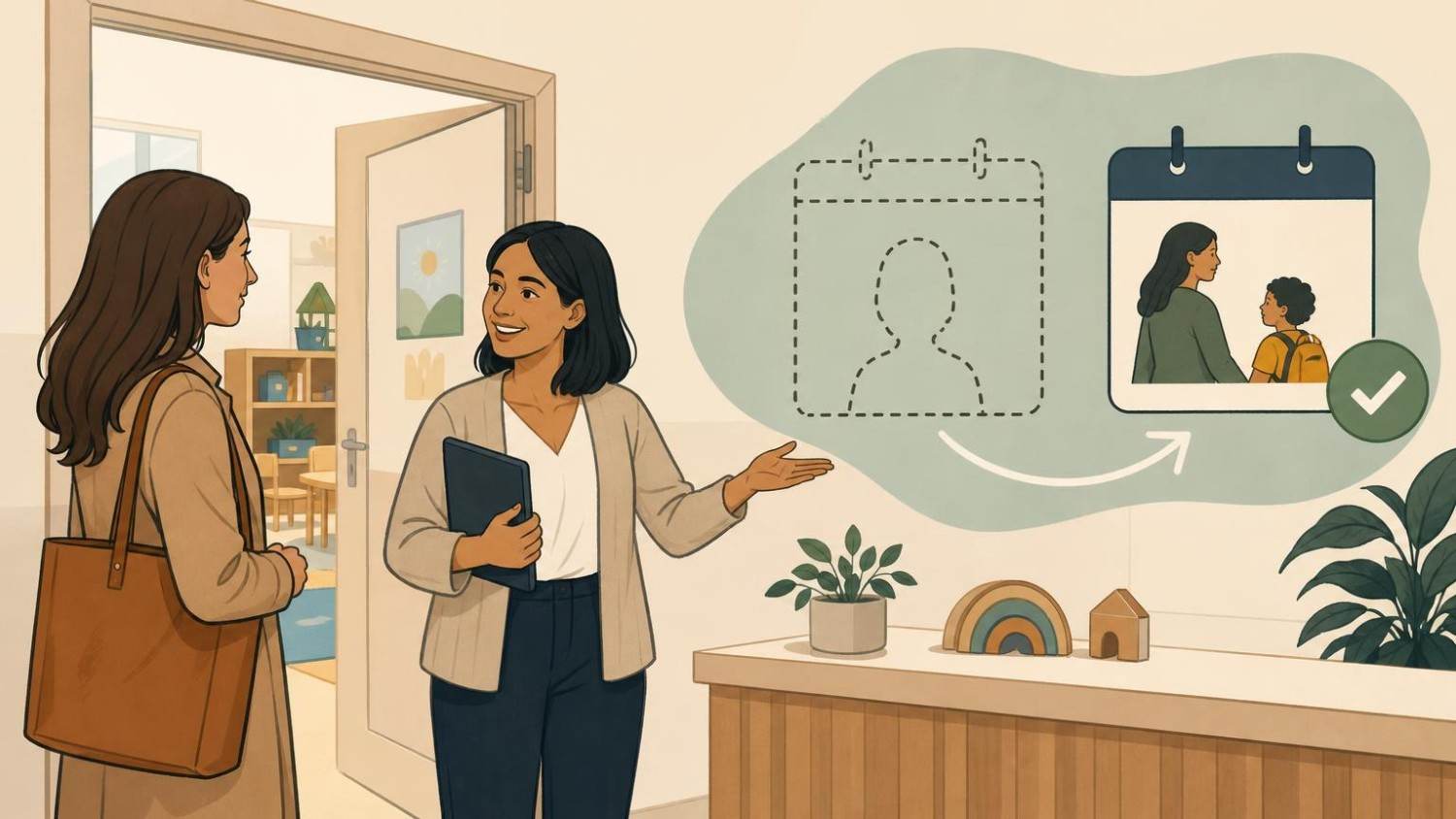
CRM systems can streamline the enrollment process, allowing parents to complete applications online. This not only saves time for staff but also provides a user-friendly experience for families. Automated reminders can be sent to parents regarding documentation or upcoming deadlines, ensuring a smooth admissions process.
Billing and Payments
Managing billing and payments can be a cumbersome task for childcare centers. A CRM system can automate invoicing, payment tracking, and reminders, reducing the likelihood of errors and late payments. This efficiency allows staff to allocate more time to child-focused activities rather than administrative tasks.
Compliance and Reporting
Childcare centers must adhere to various regulations and reporting requirements. CRM systems can assist in tracking compliance-related tasks and generating reports, ensuring that centers meet all necessary standards. This not only simplifies the administrative workload but also enhances the center’s credibility and reputation.
Choosing the Right CRM for Your Childcare Center
With numerous CRM options available, selecting the right system for a childcare center can be daunting. However, certain factors can guide the decision-making process.
Identifying Needs
Before choosing a CRM, it’s essential to identify the specific needs of the childcare center. Consider factors such as the size of the center, the number of staff members, and the level of parental engagement desired. Understanding these needs will help narrow down the options and find a system that aligns with the center’s goals.
User-Friendly Interface
A user-friendly interface is crucial for both staff and parents. The chosen CRM should be intuitive and easy to navigate, ensuring that everyone can utilize its features effectively. A complicated system may lead to frustration and decreased engagement, undermining the benefits of centralized communication.
Customer Support and Training
Finally, consider the level of customer support and training offered by the CRM provider. A responsive support team can make a significant difference in the successful implementation of the system. Additionally, training resources should be available to ensure that staff can maximize the CRM’s capabilities.
Schedule a FREE 30 minutes Session with Us!
Conclusion
The power of centralized communication through CRM systems cannot be overstated, especially in the context of childcare centers. By enhancing parent-staff communication, improving staff collaboration, fostering community engagement, and streamlining administrative tasks, CRM systems transform conversations and relationships within these vital institutions.
As childcare centers continue to evolve, embracing technology like CRM can lead to better outcomes for children, parents, and staff alike. The future of childcare is not just about caring for children; it’s about creating a connected community that supports growth, learning, and development for all.


Share