

Email marketing has become an essential tool for businesses across various sectors, and the childcare industry is no exception. As childcare providers strive to build relationships with parents and guardians, integrating email marketing with Childcare Customer Relationship Management (CRM) systems can enhance communication, streamline operations, and ultimately improve service delivery. This article explores the benefits of this integration, best practices, and practical steps to achieve it.
Understanding Childcare CRM Systems
Childcare CRM systems are specialized software solutions designed to help childcare providers manage their relationships with families and streamline administrative tasks. These systems simplify processes such as enrollment, billing, and communication, allowing providers to focus on delivering quality care. By automating routine tasks, childcare providers can allocate more time to engage with children and enhance their learning experiences, ultimately leading to a more nurturing environment.

Key Features of Childcare CRM Systems
Most childcare CRM systems come equipped with a variety of features that cater to the unique needs of childcare providers. These features often include:
- Parent Communication: Tools for messaging, newsletters, and updates.
- Enrollment Management: Streamlined processes for managing applications and registrations.
- Billing and Payments: Automated invoicing and payment tracking.
- Reporting and Analytics: Insights into enrollment trends and parent engagement.
In addition to these core functionalities, many childcare CRM systems also offer integrated calendars that help providers keep track of important dates, such as parent-teacher conferences, holidays, and special events. This feature not only aids in organization but also enhances communication with parents, ensuring they are always in the loop regarding their child’s activities and milestones. Furthermore, some systems may include mobile applications, allowing parents to access information on-the-go, fostering a more connected community.
Schedule a FREE 30 minutes Session with Us!
The Importance of Email Marketing
Email marketing serves as a powerful channel for communication, allowing childcare providers to reach parents directly in their inboxes. It fosters engagement, builds trust, and keeps families informed about important updates, events, and resources. With the ability to segment email lists based on specific criteria, such as age groups or interests, providers can tailor their messages to meet the diverse needs of their clientele.
By leveraging email marketing, childcare providers can create targeted campaigns that resonate with their audience, whether it’s a monthly newsletter, reminders for upcoming events, or personalized messages for special occasions. Additionally, incorporating visually appealing elements, such as photos of children participating in activities or infographics about developmental milestones, can enhance the effectiveness of these communications. This not only captures parents’ attention but also reinforces the sense of community and involvement that is crucial in the childcare sector.
Benefits of Integrating Email Marketing with Childcare CRM
Integrating email marketing with childcare CRM systems offers numerous advantages that can enhance operational efficiency and improve parent engagement.
Streamlined Communication
One of the primary benefits of integration is the ability to streamline communication. By connecting email marketing tools with CRM systems, childcare providers can automate email campaigns based on specific triggers, such as enrollment anniversaries or upcoming events. This ensures that parents receive timely and relevant information without requiring manual effort.
Moreover, CRM systems can segment parent lists based on various criteria, allowing for targeted messaging that speaks directly to the needs and interests of different families. This level of personalization can significantly increase engagement rates. For instance, a childcare center can send tailored messages to parents of toddlers about age-appropriate activities, while simultaneously providing parents of preschoolers with information on upcoming educational workshops. This targeted approach not only enhances the relevance of communications but also fosters a stronger connection between the childcare provider and families.
Enhanced Data Management
Integrating email marketing with a childcare CRM system centralizes data management. Childcare providers can easily track email campaign performance alongside other metrics, such as enrollment numbers and parent feedback. This holistic view enables providers to make data-driven decisions that enhance their marketing strategies.
Additionally, the integration allows for better tracking of parent interactions, enabling providers to understand which messages resonate most with their audience. This insight can inform future campaigns and improve overall communication effectiveness. For example, if a particular newsletter about child development tips garners high open and click-through rates, providers can replicate that success by creating similar content in future communications. This iterative process not only refines marketing efforts but also ensures that the information shared is consistently valuable and engaging for parents.
Improved Parent Engagement
When email marketing is integrated with a childcare CRM, it fosters a more engaging experience for parents. Regular communication through newsletters, updates, and personalized messages helps build a sense of community and keeps parents informed about their child’s development and activities.
Furthermore, engaging content such as parenting tips, educational resources, and event invitations can be shared through email campaigns, providing added value to families. This not only strengthens relationships but also encourages parents to be more involved in their child’s education and care. By offering exclusive content, such as downloadable resources or access to webinars on child development, childcare providers can further enhance their engagement strategy. These initiatives not only position the provider as a trusted resource but also empower parents with knowledge and tools to support their child’s growth at home, creating a collaborative environment that benefits everyone involved.
Best Practices for Integration
To maximize the benefits of integrating email marketing with childcare CRM systems, providers should adhere to several best practices.
Choose the Right Tools
Not all CRM systems and email marketing tools are created equal. It is crucial to select platforms that offer seamless integration capabilities. Look for solutions that provide APIs or built-in integrations to facilitate data sharing and communication.
Additionally, consider the user experience of both systems. A user-friendly interface will make it easier for staff to adopt the tools and leverage their full potential.
Segment Your Audience
Segmentation is key to effective email marketing. By categorizing parents based on their child’s age, interests, or enrollment status, childcare providers can tailor their messaging to meet the specific needs of each group.
For instance, new parents may benefit from onboarding emails that introduce them to the childcare center’s policies and procedures, while long-term families might appreciate updates on special events or changes in curriculum.
Schedule a FREE 30 minutes Session with Us!
Monitor and Analyze Performance
Regularly monitoring and analyzing the performance of email campaigns is essential for continuous improvement. Utilize the analytics features of both the CRM and email marketing tools to track open rates, click-through rates, and overall engagement.
By assessing this data, childcare providers can identify trends, understand what content resonates with parents, and adjust their strategies accordingly. This iterative approach ensures that communication remains relevant and impactful.
Practical Steps for Integration
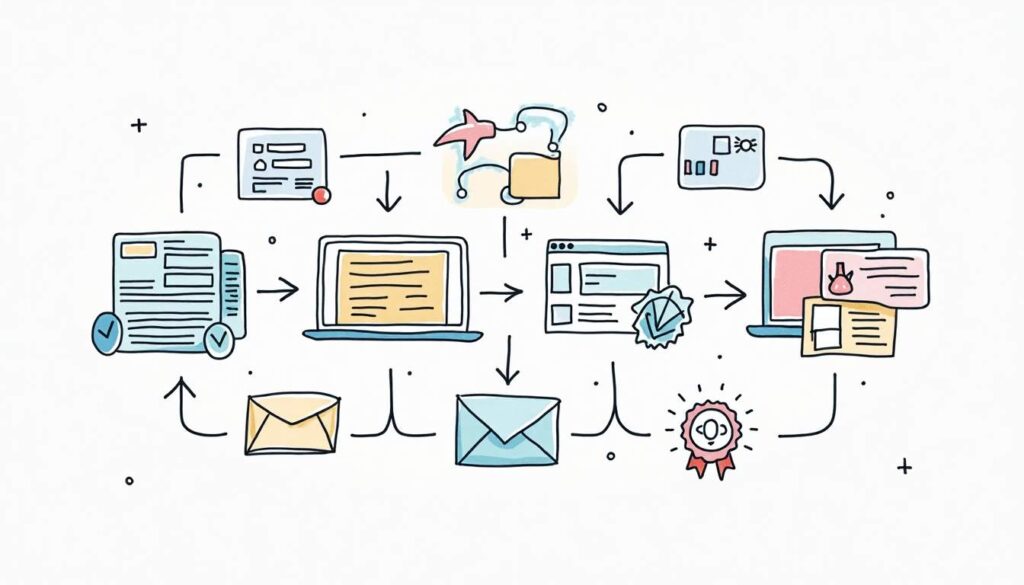
Implementing the integration of email marketing with childcare CRM systems may seem daunting, but following a structured approach can simplify the process.
Step 1: Assess Current Systems
Begin by evaluating the current systems in use. Identify the CRM and email marketing tools currently being utilized and assess their compatibility. If they do not integrate seamlessly, consider exploring alternatives that offer better integration capabilities.
Additionally, gather feedback from staff on their experiences with the existing systems. Understanding their pain points can inform decisions on which features are most essential for the new integrated solution.
Step 2: Define Goals and Objectives
Clearly define the goals and objectives for the integration. Are you looking to improve parent engagement, streamline communication, or enhance data management? Establishing specific, measurable goals will help guide the integration process and provide benchmarks for success.
For instance, if the goal is to increase newsletter open rates, consider implementing strategies such as A/B testing subject lines or optimizing send times based on parent behavior.
Step 3: Implement the Integration
Once the systems have been assessed and goals defined, it’s time to implement the integration. Work with IT professionals or vendors to ensure a smooth transition. During this phase, it is crucial to migrate existing data from the CRM to the email marketing tool to maintain continuity in communication.
Training staff on how to use the integrated system effectively is also essential. Provide resources, tutorials, and hands-on training sessions to ensure everyone feels comfortable with the new tools.
Challenges and Solutions
While integrating email marketing with childcare CRM systems offers numerous benefits, it is not without its challenges. Understanding potential obstacles and their solutions can facilitate a smoother integration process.

Data Privacy Concerns
Data privacy is a significant concern, especially in the childcare sector where sensitive information is involved. Ensuring compliance with regulations such as the General Data Protection Regulation (GDPR) and the Children’s Online Privacy Protection Act (COPPA) is paramount.
To address these concerns, childcare providers should implement robust data protection policies and ensure that both the CRM and email marketing tools adhere to industry standards for data security. Additionally, obtaining explicit consent from parents before sending marketing communications is essential.
Resistance to Change
Change can be met with resistance, especially when it involves new technology. Staff may feel overwhelmed or uncertain about transitioning to integrated systems. To mitigate this, clear communication about the benefits of integration is crucial.
Involve staff in the decision-making process and provide ample training and support. Highlighting success stories or case studies from other childcare providers can also help alleviate concerns and encourage buy-in.
Technical Issues
Technical issues can arise during the integration process, leading to delays or complications. To minimize disruptions, it is advisable to work closely with technical support teams from both the CRM and email marketing providers.
Conduct thorough testing before fully launching the integrated system to identify and resolve any potential issues. Establishing a clear troubleshooting protocol can also help staff address problems quickly as they arise.
Conclusion
Integrating email marketing with childcare CRM systems presents a valuable opportunity for childcare providers to enhance communication, streamline operations, and foster stronger relationships with families. By understanding the benefits, adhering to best practices, and following a structured approach to integration, providers can create a more engaging and efficient environment for both staff and parents.
As the childcare landscape continues to evolve, embracing technology and innovative marketing strategies will be essential for staying competitive and meeting the needs of families. The integration of email marketing with childcare CRM systems is a step in the right direction, paving the way for improved service delivery and parent satisfaction.



Share